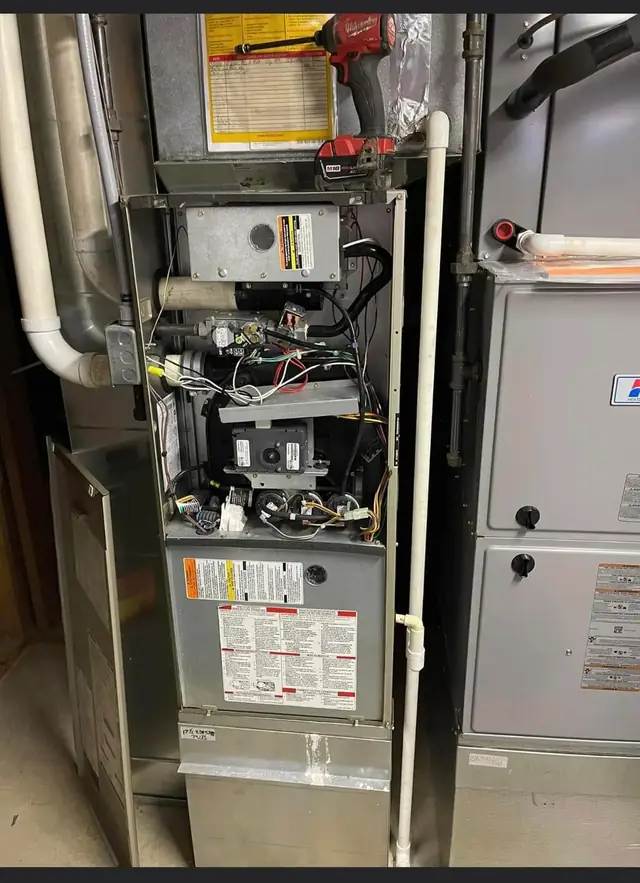
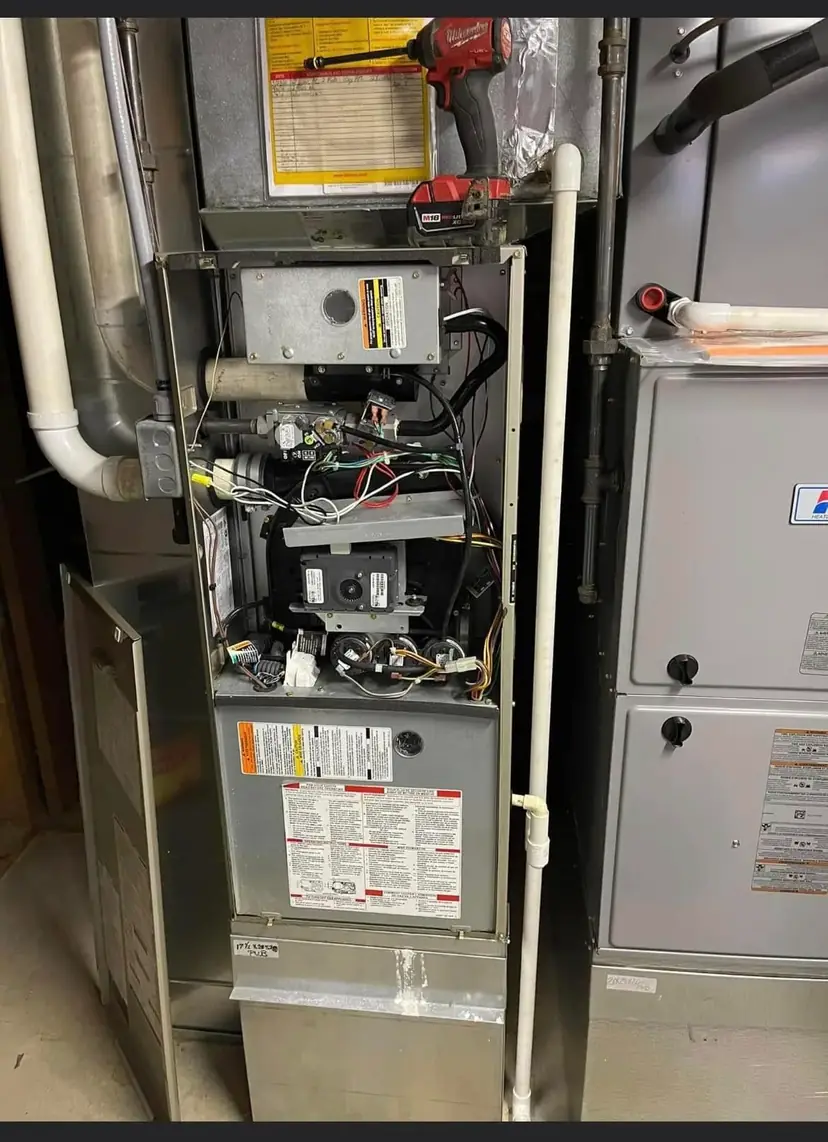
A furnace starts through several checks
TMAC Heating & Cooling diagnoses furnace ignition problems in McComb and Pike County, MS. A heating call begins a series of checks before fuel-burning equipment can deliver heat. Depending on the furnace, draft, pressure, ignition and flame sensing take part in that sequence. We watch where it stops and test the related parts. Clicking alone does not tell us which component has failed.
We ask whether the furnace ever lights and how long the flame stays on. A unit that lights briefly and shuts down differs from one that never attempts ignition. We inspect relevant wiring and controls and review any fault indication. A light or code helps us follow the sequence, but we confirm the condition before replacing a part. We do not use repeated resets as a repair method.
Flame sensing and venting deserve careful checks
TMAC Heating & Cooling checks furnace flame and draft-related faults in McComb, MS. A flame-sensing problem can stop a burner after it lights. A vent or pressure-related condition can prevent ignition from starting. We inspect the parts and operating conditions that relate to the symptom. We do not bridge a switch or remove a safety function to make the furnace appear to work.
Fuel-burning equipment also needs attention to the condition of heat-transfer and venting components. A concern involving combustion gases changes whether continued use is safe. We explain the finding and the next step. If you smell gas, leave without using switches or the thermostat, then call the gas provider or 911 from a safe place. If a carbon monoxide alarm sounds, leave and contact emergency services.
A blower fault can look like burner trouble
TMAC Heating & Cooling repairs furnace airflow problems in McComb and Summit, MS. A dirty filter, restricted duct or failing blower can keep enough air from crossing the heat section. The furnace may heat internally and then stop on a limit while rooms remain cold. We inspect the air path and blower operation. Changing an ignition part will not solve an air-delivery fault.
Older Pike County homes may have return paths that changed when rooms were added or doors were moved. We ask if the fault changes when interior doors close. We also check for blocked supply openings and unsuitable filters. The goal is to see why heat fails to reach the room, not simply whether the burner makes a flame. Tell us about rattling, scraping or a blower that starts late.
What furnace repair and follow-up involve
TMAC Heating & Cooling checks furnace operation during repair visits in McComb near the US-51 and I-55 corridor. We review the symptom, inspect relevant accessible parts and test the start sequence. We explain the proposed repair and any safety-related limits before agreed work proceeds. After a repair, we check another operating cycle and the response to the thermostat. We do not treat a momentary start as enough proof.
A failed sensor or control in otherwise sound equipment may call for a targeted repair. Damage to major or safety-related parts can make replacement worth discussing. Parts availability and the rest of the furnace's condition matter too. We explain which components need attention and whether the remaining equipment supports a focused repair. Our heating installation page describes replacement planning if the inspection points in that direction.
Send the symptom without opening the furnace
TMAC Heating & Cooling arranges furnace repair in McComb from 107 Dawson Trail, Summit, MS 39666. Text us your location, fuel type if known, and what happens after you ask for heat. Include a visible code only if you can see it safely without removing panels. Tell us about smells or alarms first. Do not handle gas connections, ignition parts or exposed wires to collect details.
Our shop is open 24 hours, 7 days. Call or text (601) 996-5252 for a 20-minute average callback. That average concerns returning your contact, not how long a furnace repair takes. The related heating services below cover broader system repair, new heating installation and heat pump needs. We keep this visit focused on the furnace's ignition, airflow and safe operating sequence.