
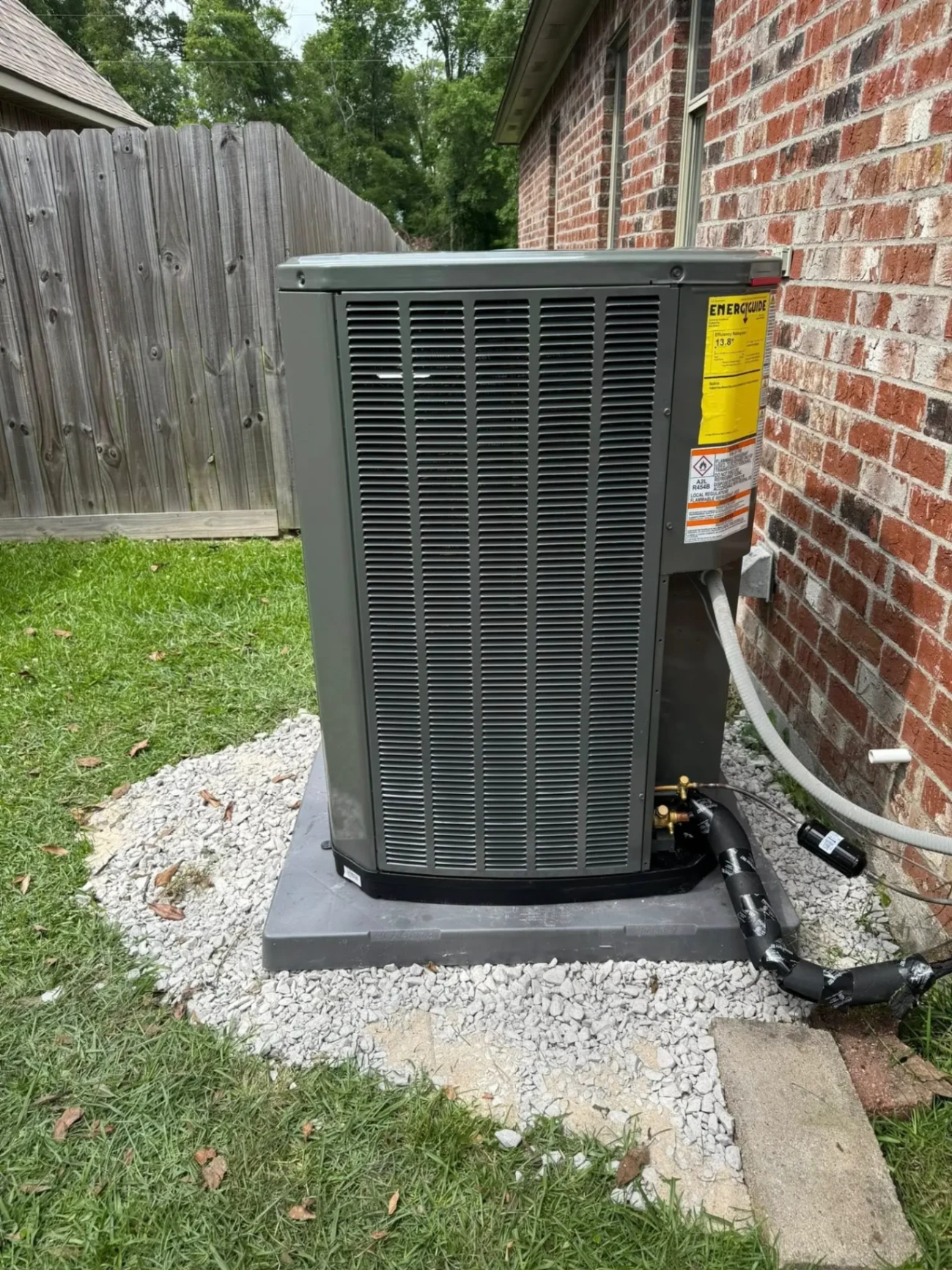
TMAC Heating & Cooling provides AC installation in Hammond, Louisiana, from its location at 44094 Covington Ridge Drive.
Our Hammond AC Installation Process
Step 1, Load Calculation
We run a Manual J load calculation for your Hammond home or business. This accounts for square footage, insulation, ceiling height, window placement, sun exposure, and local climate data to find the exact cooling capacity your space needs. We do not guess.
Step 2, System Recommendation
Based on the load calculation, we recommend systems matched to your budget, efficiency goals, and home layout. We are a Licensed Trane Dealer and work with every major brand, so the recommendation is based on what is best for your situation.
Step 3, Professional Installation
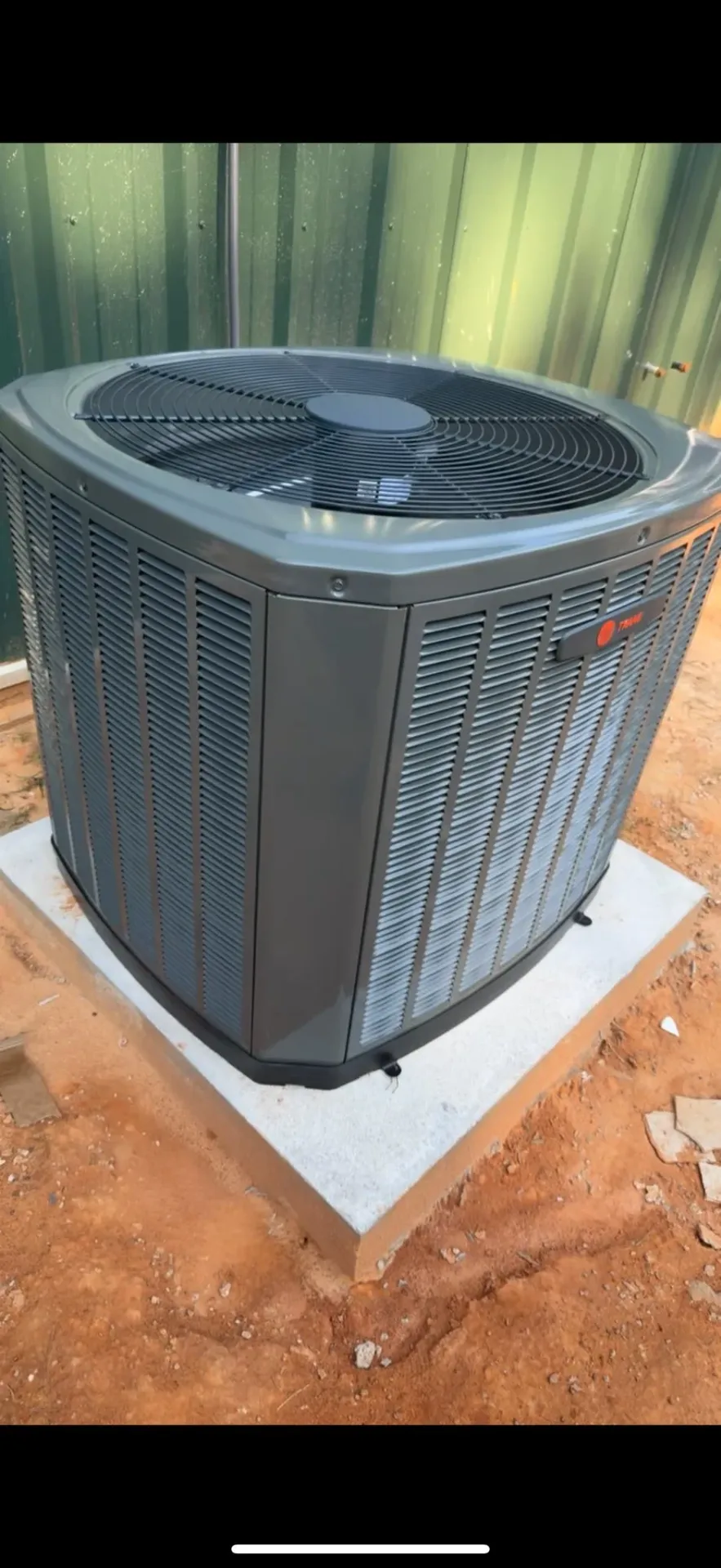
Our licensed techs handle the full installation: equipment placement, electrical connections, refrigerant charging, ductwork hookups, drainage, and thermostat programming.
Step 4, Testing and Walkthrough
Before we leave, we run the system through a full operational cycle, verify airflow and cooling performance, and walk you through the thermostat and filter schedule.
What to Expect From a New AC in Hammond
Energy savings
A new high-efficiency system (16 SEER2 or higher) can cut cooling costs by 20 to 40 percent compared to an aging unit running below peak. In a Hammond summer with eight to ten months of cooling, that adds up fast.
Better humidity control
Modern AC systems handle humidity better than older equipment. That matters enormously in Hammond, where indoor humidity can make a properly cooled room still feel muggy.
Better air quality
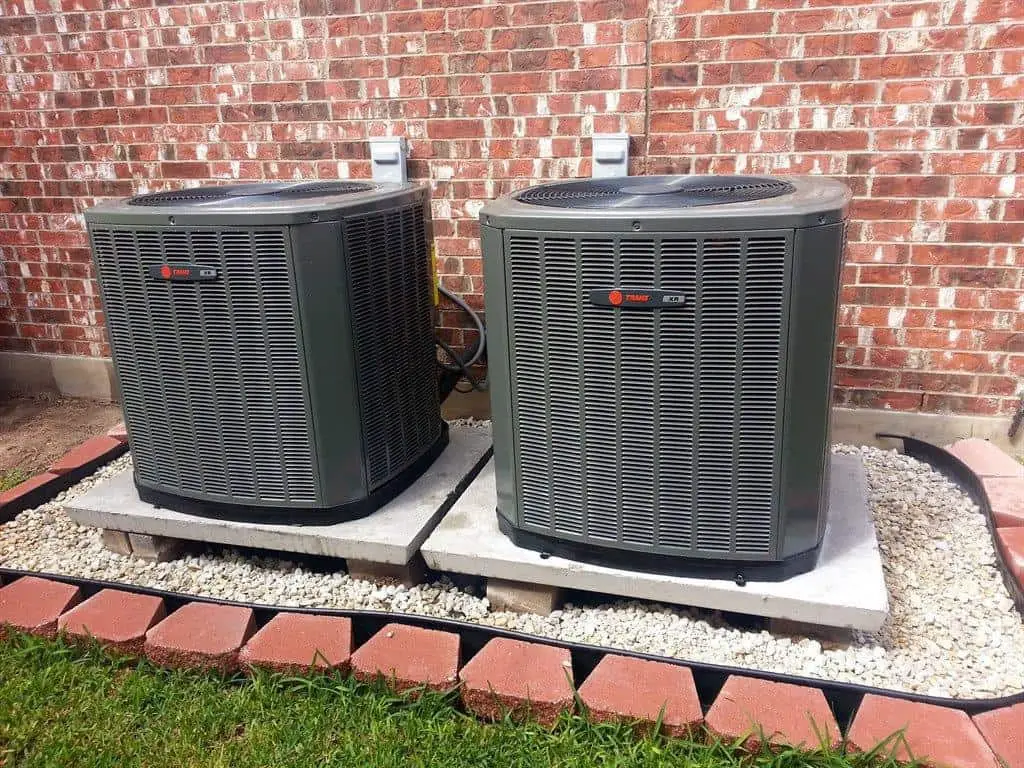
New systems include improved filtration and can be paired with UV-C lights, whole-home dehumidifiers, and advanced air purifiers.
Warranty coverage
New equipment comes with manufacturer warranties, typically 5 to 10 years on parts and the compressor. We register your equipment for you and walk you through what is covered.
Signs It Is Time to Replace Instead of Repair
- System is 12 or more years old
- R-22 refrigerant (replacement parts are scarce and expensive)
- Repair costs exceed 50 percent of a new system's price
- Frequent breakdowns, more than once per season
- Uneven cooling despite repairs
- Energy bills climbing year over year with no change in usage